What to Expect During the Restoration Process
People seeking storm restoration often want to understand the process involved, and local service providers can guide them through repairs, assessments, and rebuilding efforts efficiently.
Understanding what to expect during the restoration process can help property owners feel more prepared and confident when facing storm damage recovery. Whether dealing with roof repairs, water extraction, or structural assessments, knowing the typical stages involved can make the experience less overwhelming. Local contractors experienced in storm restoration are equipped to guide homeowners through each step, ensuring that repairs are handled efficiently and thoroughly, so residents can restore their properties with peace of mind.
Many property owners in the area find value in learning about the restoration journey to better coordinate with service providers and understand what’s involved. Knowing what to expect can also help in planning for temporary inconveniences and ensuring that the work aligns with safety and quality standards. Local storm restoration specialists are ready to assist with the process, offering expert support tailored to the specific needs of each property, helping communities recover smoothly and effectively.
- Roof repairs - homeowners experiencing roof damage after a storm can rely on local contractors to assess and restore the roof structure properly.
- Water damage restoration - when flooding or leaks occur during a storm, service providers can handle water extraction and drying to prevent further issues.
- Siding replacement - damaged or missing siding from storm impacts requires local pros to restore the home's exterior and improve its protection.
- Window and door repairs - storm-related impacts that cause broken or broken seals on windows and doors are addressed by local specialists for proper function.
- Gutter and drainage services - heavy rains and storm debris can clog gutters, prompting local contractors to clear and repair drainage systems for effective runoff.
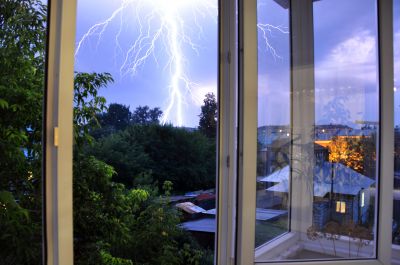
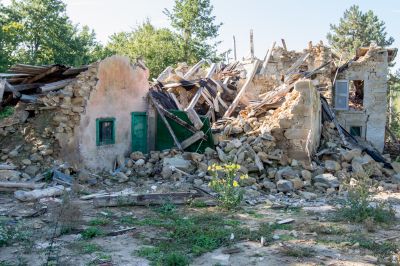
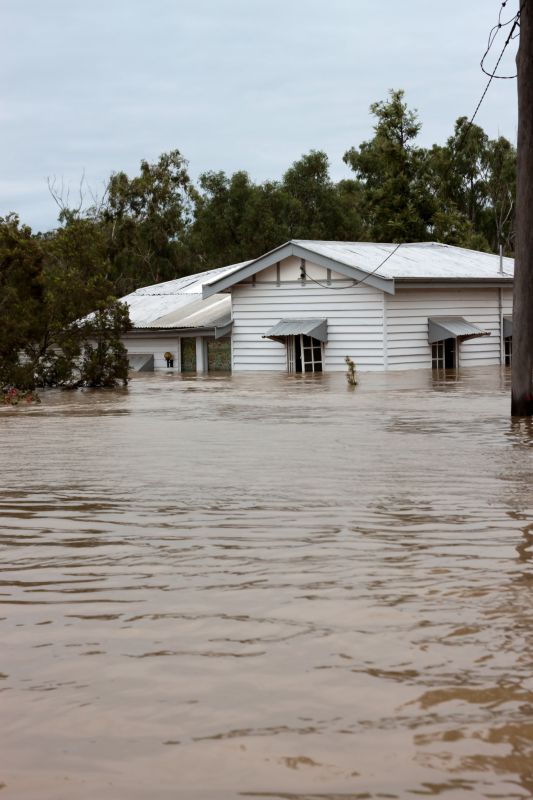
Understanding what to expect during the restoration process is an important step for homeowners dealing with damage caused by storms or severe weather. When searching for this information, many people are looking for a clear overview of how the repair and recovery work unfolds after their property sustains damage. This process typically involves several phases, including damage assessment, cleanup, repairs, and final inspections. Knowing what each stage entails helps homeowners prepare for the work ahead and understand the role that local service providers play in restoring their property to a safe and functional condition.
The restoration process is often related to problems such as roof damage, broken windows, flooding, or structural issues resulting from storms, hurricanes, or heavy rainfall. Homeowners may also be planning to address issues like mold growth, water intrusion, or compromised building materials. These situations demand specialized attention from experienced local contractors who can evaluate the extent of the damage, develop a plan for repairs, and execute the necessary work efficiently. Understanding the scope of these problems helps homeowners communicate effectively with service providers and ensures that the restoration addresses all underlying issues.
Properties that typically come up during the restoration process include residential homes, multi-family dwellings, and small commercial buildings. Homes are often the primary focus, especially in neighborhoods affected by storm damage, but other types of properties can also require restoration services. The extent of damage varies widely, from minor roof leaks to extensive structural repairs, and each property presents its own unique challenges. Local contractors familiar with these types of properties can assess damage accurately and tailor their services to meet the specific needs of each project.
During the restoration process, homeowners can generally expect a series of coordinated steps managed by local service providers. This includes initial damage assessment, securing the property, removing debris and water, repairing or replacing damaged structural components, and restoring the property’s appearance and functionality. Throughout each phase, communication with the contractors is key, as they will explain what work is being done and why. By working with experienced local pros, homeowners gain peace of mind knowing that their property is being handled by professionals who understand the complexities of storm-related damage and the best practices for restoring homes efficiently and effectively.
Water Damage Restoration - this type of project involves assessing and repairing areas affected by water, requiring similar planning and moisture mitigation techniques as storm damage repairs.
Mold Remediation - addressing mold growth after storms involves detailed inspection and containment, paralleling the steps taken during storm restoration to ensure safety and thoroughness.
Roof Repair and Replacement - storm damage often impacts roofs, and local contractors with roofing expertise handle inspections, repairs, and replacements similar to storm restoration processes.
Siding and Exterior Repair - restoring damaged siding and exterior surfaces involves planning, material selection, and repair skills comparable to those used in storm restoration projects.
Structural Damage Repair - repairing compromised structural elements after storms shares planning and construction skills necessary for restoring safety and stability.
Emergency Board-Up Services - securing damaged properties through temporary measures aligns with initial storm restoration steps to prevent further damage and protect property.

When comparing storm restoration service providers, it is important to consider their experience with similar projects. Local contractors who have handled storm-related damage before are more likely to understand the typical challenges that arise during the restoration process. This familiarity can lead to more accurate assessments and smoother execution, helping homeowners gain confidence in the project's progress. Additionally, asking for clear, written expectations can help clarify what the restoration process will involve, ensuring that homeowners understand each phase and what to anticipate at every stage. Transparent communication about the scope of work, timelines, and responsibilities helps set realistic expectations and minimizes surprises along the way.
Reputable references and reviews are valuable tools when evaluating potential service providers. Hearing from previous clients who have experienced their storm restoration services provides insights into the quality of work and professionalism of local contractors. Reliable references can also shed light on how well the contractor manages the restoration process, including how they handle unforeseen issues or delays. It is equally important to find service providers who prioritize good communication, keeping homeowners informed and involved throughout the project. Clear, consistent updates help build trust and ensure that everyone remains aligned on the progress and any adjustments needed during the restoration.
Ultimately, choosing the right local contractor involves assessing their ability to deliver a smooth and transparent process. Homeowners should look for service providers who demonstrate experience with similar storm damage projects, provide detailed written expectations, and maintain open lines of communication. These qualities contribute to a more organized and predictable restoration experience, reducing stress and helping ensure that the work is completed to satisfaction. By taking the time to compare these factors, homeowners can find local pros who are well-equipped to handle the job and guide them through what to expect during the restoration process effectively.
Property owners often search for what to expect during the restoration process when they are planning practical projects around their homes and businesses. Local pros provide Storm Restoration services for everyday jobs and straightforward project options.

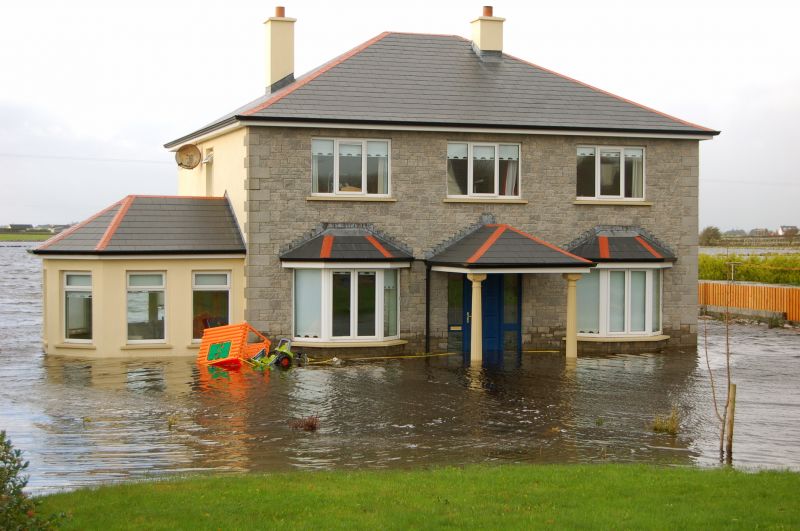
During the storm restoration process, property owners can expect a series of coordinated efforts by local contractors to assess and address damage. Once a storm has passed, service providers typically begin with a thorough inspection to determine the extent of the damage, which may include checking for roof leaks, structural issues, or compromised exteriors. Throughout the process, property owners might notice crews working on repairs, replacing damaged materials, or installing temporary protections to prevent further issues. Clear communication from local contractors helps keep property owners informed about the progress and what to anticipate next, making the restoration experience more manageable.
Understanding what to expect during the restoration process can alleviate some of the stress following storm damage. Local service providers often work efficiently to restore safety and stability, which may involve multiple steps such as debris removal, water extraction, and structural reinforcement. Property owners should be prepared for some disruption, including noise or temporary obstructions, while the work is underway. Since each restoration project is unique, professional local contractors tailor their approach to the specific needs of the property, ensuring that the necessary repairs are completed properly and efficiently.
What are the typical steps involved during the restoration process? During storm restoration, local contractors usually start with an assessment of the damage, followed by debris removal, structural repairs, and weatherproofing to restore safety and integrity to the property.
How do local service providers handle the cleanup after storm damage? Restoration professionals typically conduct thorough debris removal, water extraction, and cleaning to ensure the property is safe and ready for repairs, reducing the risk of further issues.
What should I expect regarding the repair work during storm restoration? Local contractors often focus on repairing or replacing damaged roofing, siding, windows, and other affected elements to restore the property's appearance and functionality.
Are there any common challenges faced during the restoration process? Challenges may include hidden structural damage, water intrusion, or mold growth, which experienced service providers are equipped to identify and address as part of the restoration.
What role do local contractors play in ensuring the restoration process is smooth? They coordinate assessments, repairs, and cleanup efforts, providing expertise to help property owners understand what to expect during each stage of storm restoration.
Assessment and Inspection - Local contractors will evaluate storm damage and identify affected areas to develop a clear restoration plan.
Temporary Repairs - Service providers may implement immediate fixes to prevent further damage while planning the full restoration.
Restoration Work - Professionals will perform repairs such as roof, siding, or window replacements, restoring the property to its pre-storm condition.
Final Inspection and Cleanup - After completing repairs, local pros will ensure everything is properly finished and clear debris from the work site.
If you are thinking about what to expect during the restoration process for a property, this guide is meant to help you understand this topic, the typical project types, and how different options might fit your plans.
When you are ready, you can use the quote form on this page to share a few details about your project. From there, local pros can review the basics and follow up with options that match what you have in mind.